


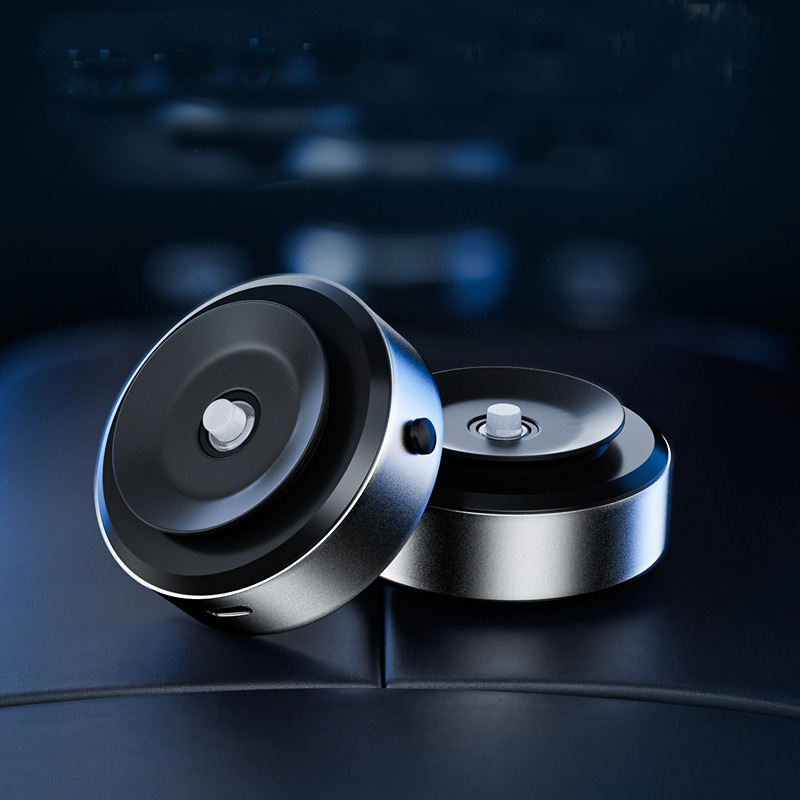
When operating high-precision machinery, aerospace equipment, and high-temperature industrial devices, most engineers overlook a hidden performance bottleneck: the material stability of core structural accessories. Low-density ordinary alloys are prone to deformation, oxidation, and dimensional deviation under continuous high temperature, high pressure, and frequent vibration, which directly shortens equipment service life, increases maintenance frequency, and causes unexpected production downtime. Many users only focus on surface size parameters when purchasing parts, ignoring internal material density, thermal deformation resistance, and wear resistance matching, leading to repeated replacement losses and unstable overall equipment operation. Choosing qualified and customized tungsten alloy precision parts becomes the key to fundamentally solving long-term equipment failure risks.
The majority of daily metal processing failures stem from unreasonable material selection rather than improper installation. Common steel, copper, and ordinary alloy materials cannot maintain stable physical properties in extreme working environments. They expand obviously at high temperatures, wear quickly under friction loads, and corrode easily in special chemical working conditions. These superficial faults are often attributed to equipment aging, while the deep root lies in mismatched raw material grades and unstandardized precision processing technology. Professional industrial supporting parts need comprehensive performance matching instead of simple size fitting, which is why reliable customized solutions from professional tungsten alloy manufacturing enterprises are widely recognized in sophisticated industrial scenarios.
Long-term use experience shows that unqualified tungsten alloy products have three typical hidden problems that are difficult to detect in short-term testing. First, uneven internal material composition leads to local stress concentration, causing sudden fracture during heavy-load operation. Second, insufficient density results in poor radiation shielding effect, failing to meet safety standards in medical and nuclear related industries. Third, rough surface finishing increases friction resistance, accelerating aging of matching accessories and damaging the whole operation system. These concealed hazards will not appear in simple acceptance inspection, but will expose serious safety and efficiency problems after continuous operation.
Different industrial scenarios put forward differentiated strict requirements for tungsten alloy components. Aerospace structural parts require ultra-low thermal expansion coefficient and high structural strength. Radiation shielding accessories demand uniform density and stable radiation isolation performance. Automatic mechanical counterweight parts need accurate specific gravity control and long-term wear resistance. Blindly using universal standard parts cannot adapt to diversified working conditions, and unified finished products often cannot meet customized size tolerance and special performance indicators required by actual production. Matching personalized customized processing according to actual working parameters can greatly improve overall operation safety and production continuity.
Many purchasers misunderstand that all tungsten alloy products have identical performance indicators. In fact, content ratio of tungsten elements, smelting process, pressure sintering technology, and post-processing precision all determine final service performance. Low-cost inferior tungsten alloys cut corners in raw material ratio and production procedures, resulting in low hardness, easy brittleness, and large dimensional error. Although the initial purchase cost is lower, later maintenance, replacement cost and production loss far exceed the price difference of high-quality finished products. Practical industrial verification fully proves that cost-effective high-density tungsten alloy parts are far more economical than cheap substitute products in the whole life cycle.
Core Performance Comparison Of Tungsten Alloy & Conventional Industrial Metals
| Material Type | High Temperature Resistance | Wear Resistance | Density Stability | Anti-Corrosion Ability | Service Life In Extreme Environment |
|---|---|---|---|---|---|
| Premium Tungsten Alloy | Excellent, stable above 1200℃ | Ultra-high, low friction loss | Extremely stable, no obvious shrinkage or expansion | Strong resistance to acid, alkali and oxidation | Long-term stable operation without frequent replacement |
| Ordinary Carbon Steel | Poor, easy deformation above 300℃ | General, fast surface wear | Unstable thermal expansion | Weak corrosion resistance | Frequent maintenance and replacement required |
| Copper Alloy | Medium temperature resistance | Low wear resistance | Large thermal deformation | General corrosion resistance | Short service cycle under heavy load |
| Common Stainless Steel | Medium high temperature resistance | Average durability | Slight dimensional change | Good conventional corrosion | Unable to adapt ultra-high temperature working conditions |
Deep industrial application experience summarizes three most easily ignored key selection standards. First, bulk density detection must meet industry standard specifications, which directly affects counterweight accuracy and radiation shielding effect. Second, dimensional tolerance needs to be controlled at micron level, adapting to high-precision assembly without gap mismatch. Third, non-destructive testing of internal structure is essential to avoid hidden cracks and bubbles inside finished parts. Ignoring any one standard will cause potential safety hazards and operation instability of the whole equipment.
In actual production and engineering application, standardized customized tungsten alloy parts can solve multiple chronic problems at once. They reduce equipment failure rate caused by material deformation, lower daily maintenance labor and material costs, improve continuous operation efficiency of production lines, and meet strict safety certification requirements of special industries. Whether used in precision machinery counterweight, medical radiation protection, aerospace structural parts, or high-temperature wear-resistant accessories, high-quality tungsten alloy components can maintain stable performance in complex and harsh working environments for a long time.
Long-cycle actual use feedback confirms that reasonable tungsten alloy configuration can optimize overall equipment operating efficiency by more than 30%. Reasonable material matching reduces unnecessary energy consumption caused by friction and deformation, precise customized size improves assembly efficiency, and high structural stability avoids unexpected shutdown accidents. For enterprises pursuing stable production, reducing comprehensive cost and improving operation quality, selecting professional customized tungsten alloy precision parts is a practical and high-value long-term optimization scheme.